
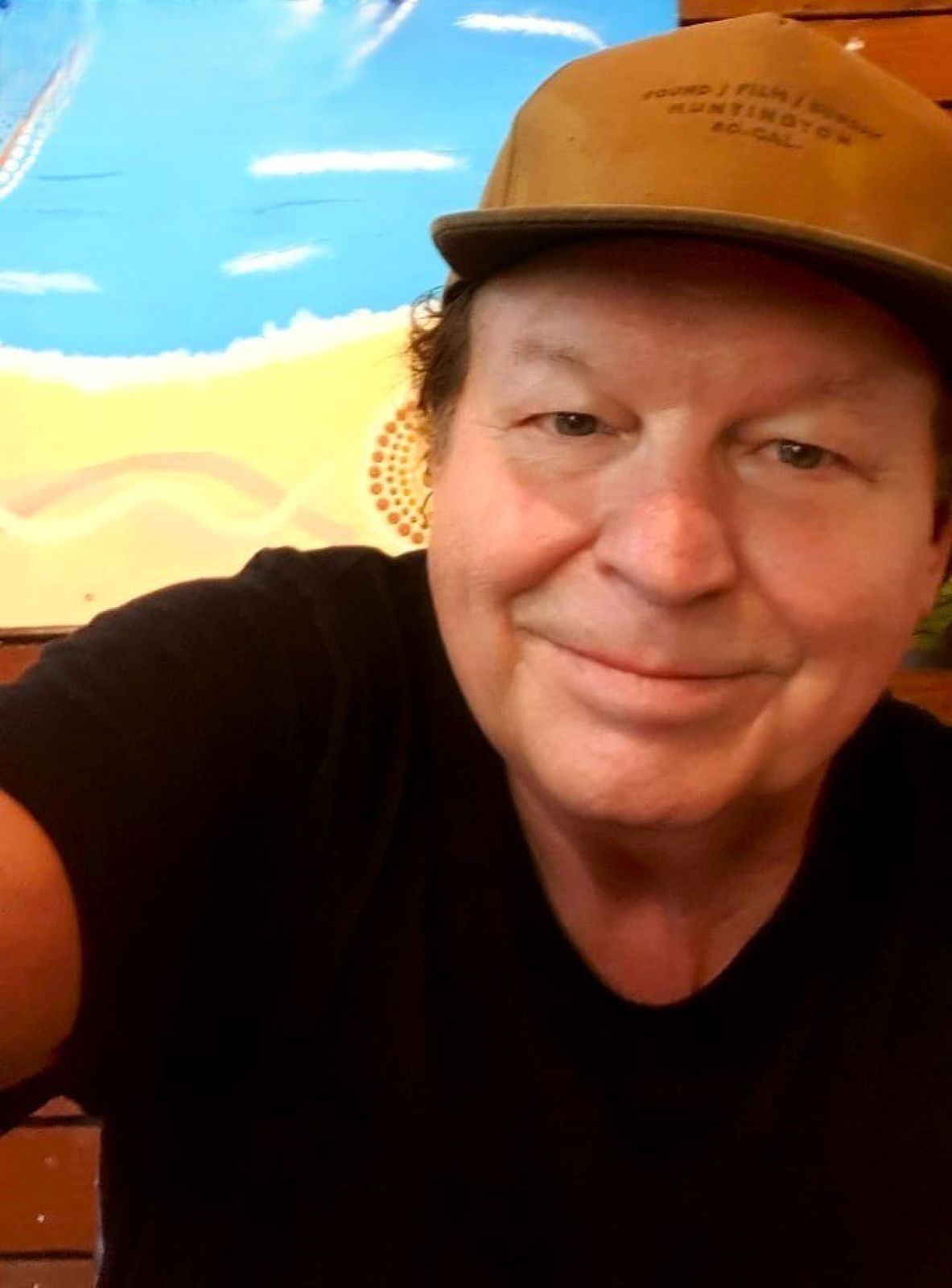
Edoardo Crismani is sitting in a cafe at Henley Beach, notebook open, asking himself a question.
“What if you could time travel?”
The Wiradjuri filmmaker has spent years chasing his grandfather's story through old dusty archives in Canberra, finding his way through boxes of records, piecing together fragments of a champion boxer they called The Black Panther. But there are gaps the archives cannot fill. Whole chapters of a remarkable life, buried.
So, he keeps writing. What if the lead character goes back in time? What if he could stand in the ring with his own ancestor?
Years later, that question written at a beachside table would win him the David Unaipon Award.
Edoardo's grandfather, Joe Murray, was a champion boxer and vaudeville performer during the late 1920s and early 1930s. In the search to uncover Joe's history, Edoardo examined national archives and spoke with family members, including his Wiradjuri Elder Aunty June Murray, now 98. Still, parts of Joe's life remained out of reach.
"People don't often hear about the victories of the past that were buried, the stories you never heard about. Like Grandpop's,” Edoardo said.
The research became the foundation of Edoardo's hour-long documentary The Panther Within. Broadcast on NITV over a five-year period and later relicensed, the documentary earned him a nomination for an Australian Writers' Guild Award. The film revealed much about Joe's achievements, but it also brought Edoardo face to face with the limits of the historical record.
For generations, Aboriginal lives and achievements were often ignored, diminished or recorded through the eyes of colonial institutions. Indigenous knowledge, memory and perspective were pushed to the margins of history-making. Speculative fiction gave Edoardo a way to challenge those limits.
It has allowed him to place Aboriginal knowledge and experience at the centre of the story, rather than treating colonial records as the only authority on the past.
In Edoardo's hands, the past becomes more than a set of dates and documents. It can be experienced through character, place, conflict, humour, fear and survival. By taking readers into the world of 1931, the story allows them to feel some of the forces that shaped Aboriginal lives and recognise how their effects continue across generations.
Inspired by his Grandpop’s life and times, Edoardo’s novel Finding Billy Brown follows an 18-year-old Aboriginal footballer who finds himself in 1931. The footballer must survive a world of travelling boxing shows, racism and hardship while searching for a way back to the present day. The story uses time slip and historical fiction to bring the past and present into conversation, allowing readers to experience some of the forces that shaped Aboriginal lives in the 1930s and to see how their effects continue across generations.
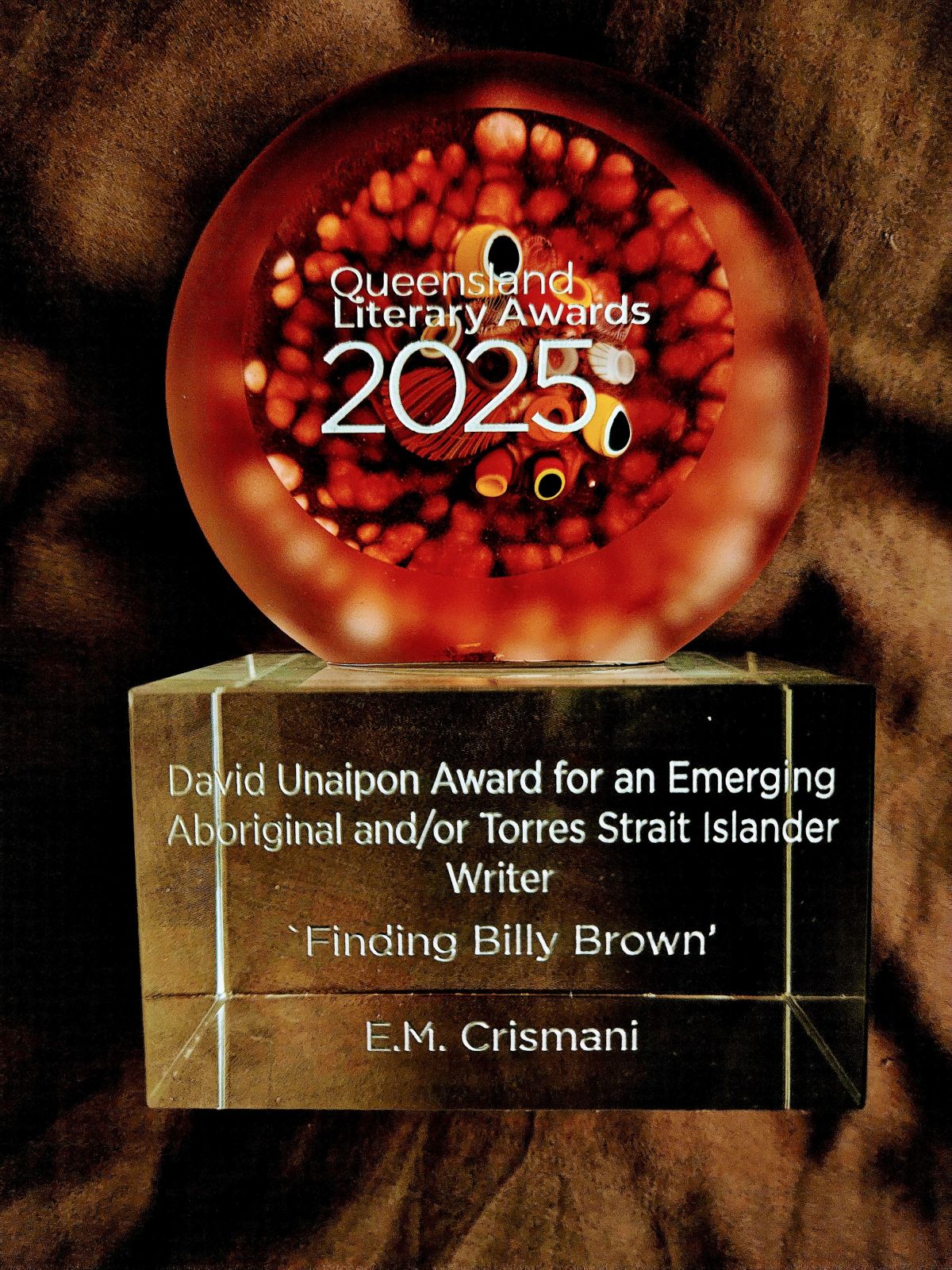
In October 2025, the manuscript won the David Unaipon Award for an Emerging Aboriginal and/or Torres Strait Islander Writer at the Queensland Literary Awards.
Edoardo is now reworking the novel for young adult readers, which is due to be published by the University of Queensland Press in 2027.
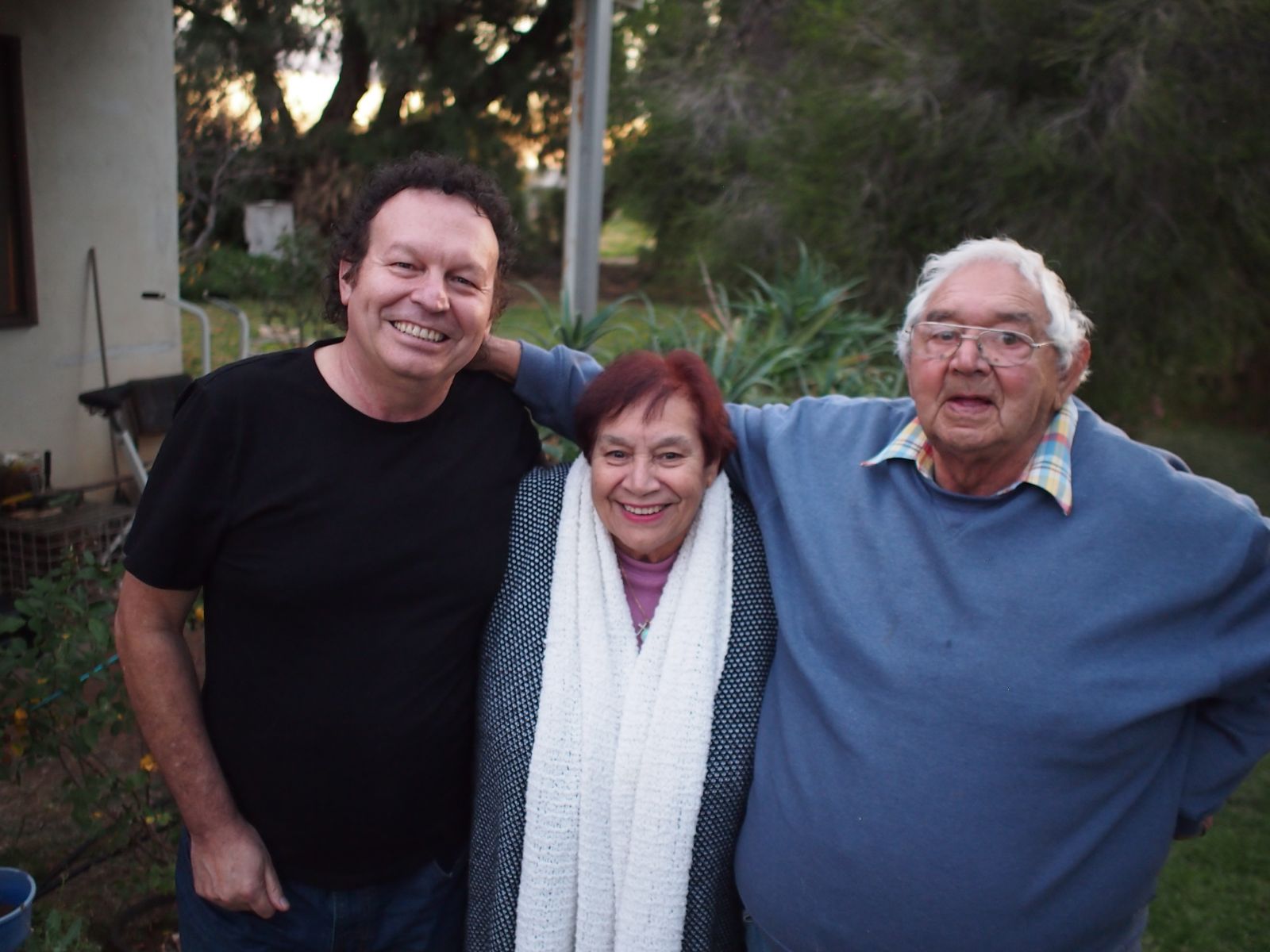
Edoardo, his mother Barbara and his Uncle Les
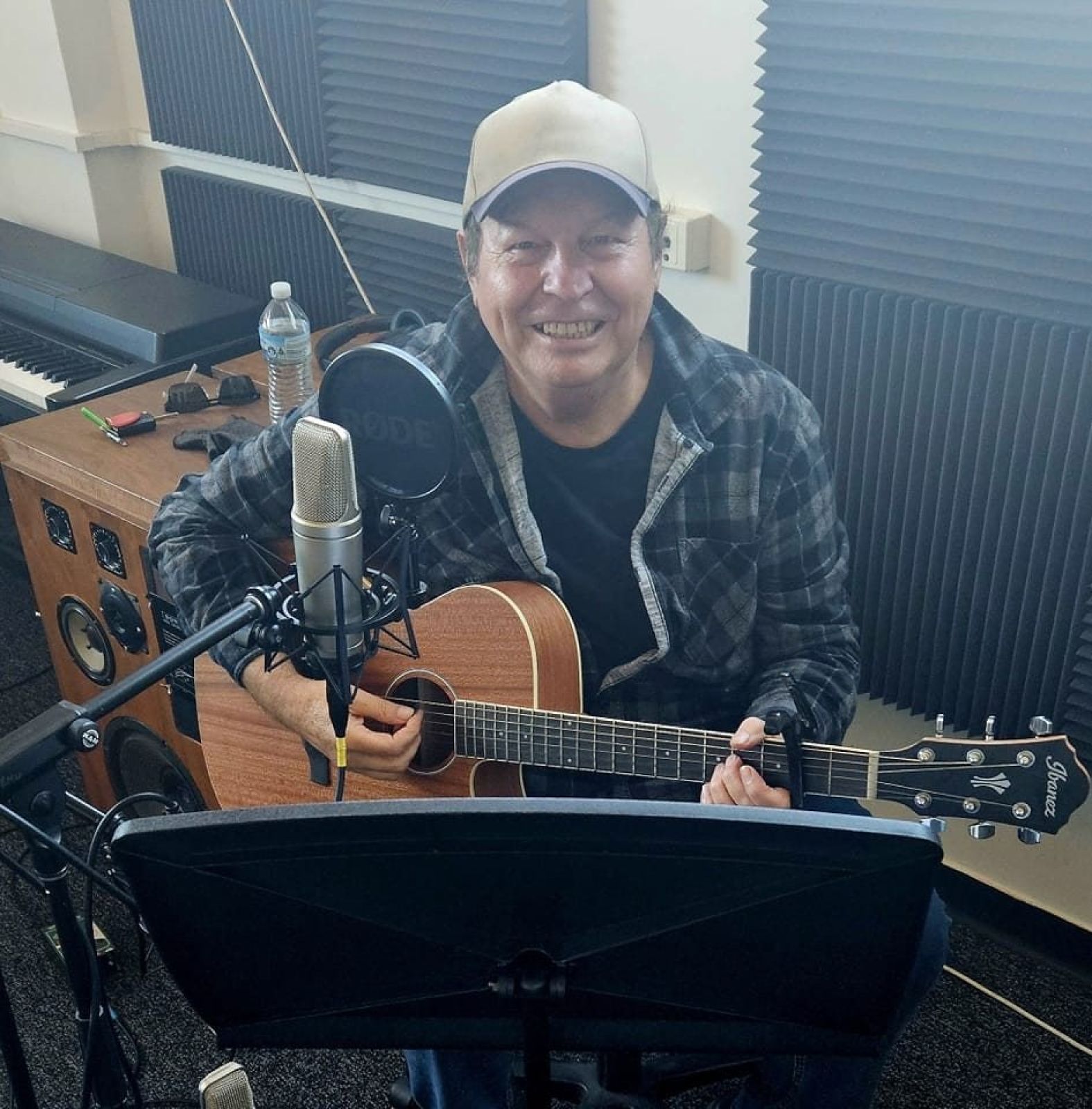
The award marked a major achievement, but Edoardo's creative journey began long before Finding Billy Brown. Edoardo played guitar and sang in bands in Australia and overseas before taking his first formal step into filmmaking by enrolling as a mature-age student at the University of South Australia in 2009.
"It's like a fish out of water almost and I had to find my feet," he said.
He soon did. His first short film as writer and director, Just Be Yourself, ran for only three and a half minutes. Inspired by the experience of Narungga woman Lenore Chantrelle, who had once been advised not to tell potential modelling employers that she was Aboriginal, the film used a surreal imagined sequence to show the fear and mental residue created by racism. The film earned Edoardo a high distinction and when he sent it to NITV, the broadcaster acquired it under a three-year licence.
"It felt amazing. I was like, wow, I can actually do this," he said.
In the decade since, Edoardo has since made around 30 community films across South Australia, working with First Nations organisations, Elders, families, artists and government agencies.
His national broadcast work includes Barb's World, a short documentary about his mother, Barbara Crismani and Lest We Forget Aboriginal Women, which recognises Aboriginal women who served in Australia's armed forces. The film premiered on SBS and was later screened in Jordan as part of a United Nations International Women's Day event in 2020.
More recently, Edoardo directed Black Time, White Time and composed its original soundtrack. The South Australian short film was written and produced by First Nations screenwriter Tammy Coleman-Zweck and supported by the South Australian Film Corporation. Selected for the St Kilda Short Film Festival from a field of around 900 submissions, the film has since screened at festivals nationally and internationally. It will next appear at the AN/Other Film Festival in Melbourne, showing on the large outdoor screen at Federation Square on International Day of People with Disability.
The film features Narungga deaf actress Joanna (Jo) Agius.
"We don't often see Aboriginal people with disability on screen. Having a voice, in this case sign language, is really, really important".
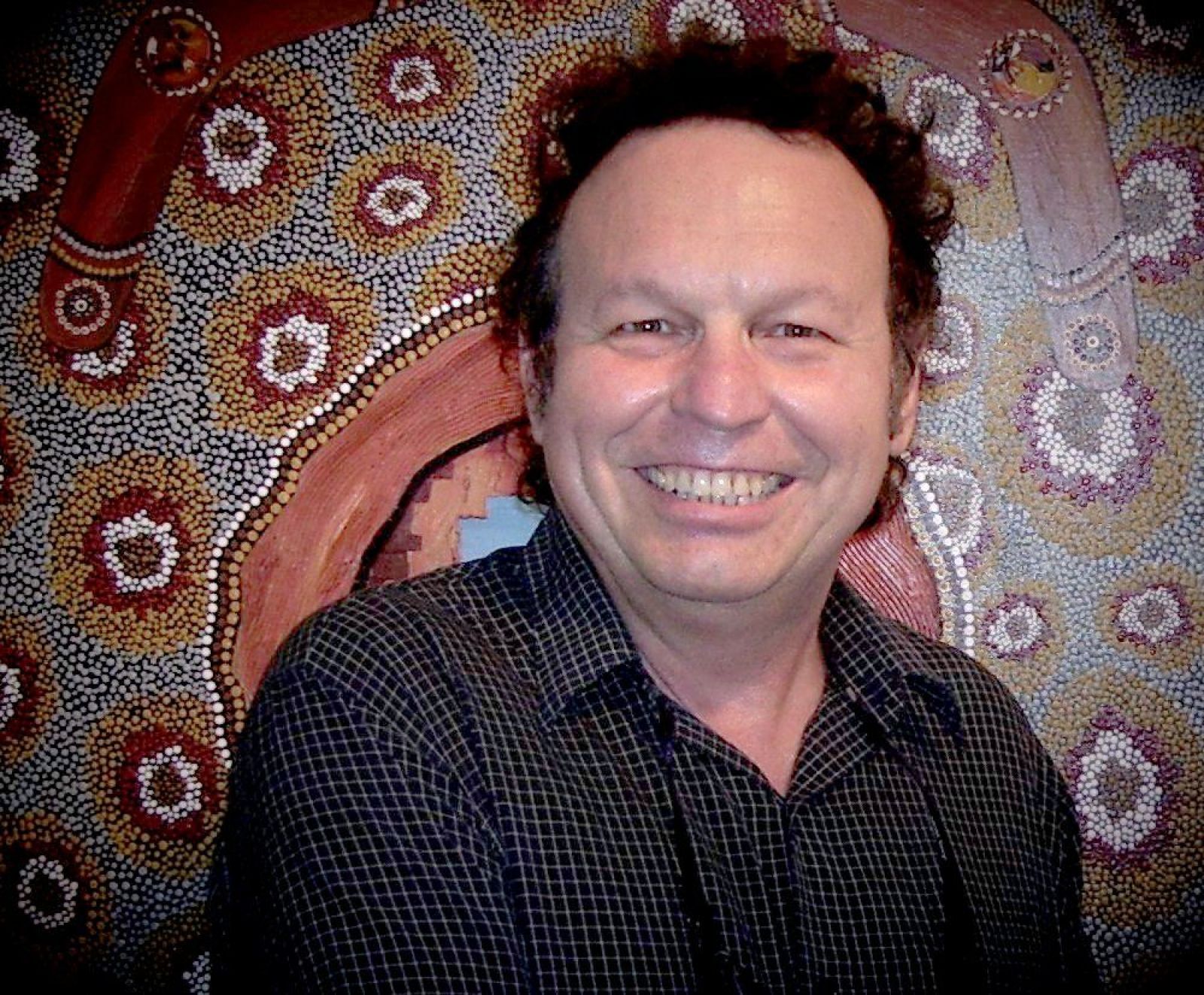
Edoardo Crismani
There is more screen work ahead. Edoardo's feature screenplay Malibu King was selected for Story Camp Aotearoa 2026, an intensive First Nations feature-film development program in New Zealand, supported by the South Australian Film Corporation and Screen New Zealand. The camp brought together First Nations writers and screen practitioners, giving Edoardo the opportunity to work intensively on the screenplay with writers, directors, story consultants and actors.
Edoardo says these stories carry a resonance that lasts well beyond NAIDOC Week.
NAIDOC's 2026 theme, 50 Years of Deadly, reflected on five decades of celebrating Aboriginal and Torres Strait Islander cultures and achievement. Edoardo hopes his work will encourage the storytellers who will shape the next 50.
"I do hope that people get inspired, that they, too, can tell their stories from their perspective, in their ways, whether it be in painting, drawing, film, writing or acting," he said.
His advice to young First Nations people with a story to tell is simple.
"Keep going. Keep working on your voice, finding your voice. Learn the craft, become a very good craftsman in whatever you're doing, whether it's film, or writing, or music.
"Just keep walking. Just keep doing the next bit."
For wider parts of the community, it begins with listening to these stories and understanding the journey behind them. It is a principal Renewal SA is putting into practice.
Renewal SA is working with Edoardo and Colleen Strangways, an Arabana, Mudbura, Gurindji and Warlpiri woman, to develop First Nations Communication and Language Guidelines, developed with First Nations community members on words, their meanings and respectful usage. The Guidelines support respectful, accurate and culturally informed communication with Aboriginal and Torres Strait Islander peoples in South Australia and will guide language use across Renewal SA’s work.
"It's about putting understanding directly from community in a way that people can respond to it, reflect on it, and then have a greater empathy for Aboriginal people, for the history and for where they are within this community," Edoardo said.
"It's a growing document, which is the wonderful thing about it."
Page last updated 14 July 2026